United States – Diversity, History & Scale
From the majestic geysers of Yellowstone to the symbolic heights of the Statue of Liberty and the breathtaking scale of the Grand Canyon, the USA contains some of the world's most iconic natural and cultural wonders.
Why Explore the USA
The United States boasts unmatched geographical diversity, historic monuments, and vast national park networks designed for spectacular exploration.
-
Geological Wonders
Formations like the Grand Canyon display billions of years of Earth's history in beautiful red and orange rock layers.
-
Symbols of History
World-famous monuments like the Statue of Liberty capture historical moments of immigration, freedom, and growth.
-
Geothermal Wonders
Yellowstone contains more than half of the world's active geothermal features, from bubbling geysers to colorful hot springs.
-
The Ultimate Road Trips
Well-developed highway networks and panoramic drives make exploring natural wonders by car easy and convenient.
Must-Visit Landmarks in the USA
Explore three of America's most historic and visually stunning landmarks that draw millions of travelers each year.
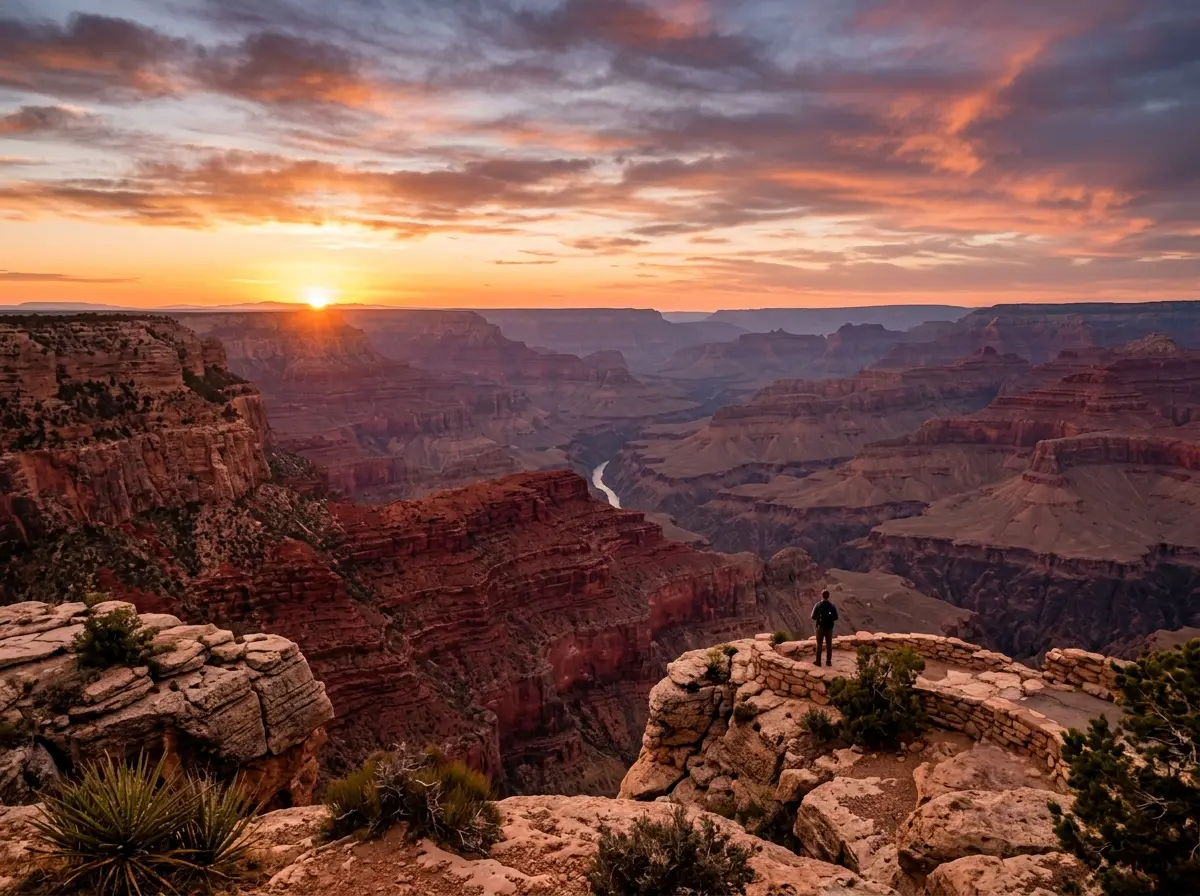
1. The Grand Canyon National Park (Arizona)
Carved over millions of years by the Colorado River, the Grand Canyon is a massive gorge stretching 277 miles long and up to 18 miles wide. The canyon's layers of ancient red rock reveal a detailed geologic timeline of North America. The South Rim offers panoramic lookouts that catch the shifting colors of sunrise and sunset.
Travel Tip: Visit Mather Point or Lipan Point at sunset to watch the shadows stretch across the deep canyons, highlighting the multi-colored rock layers.
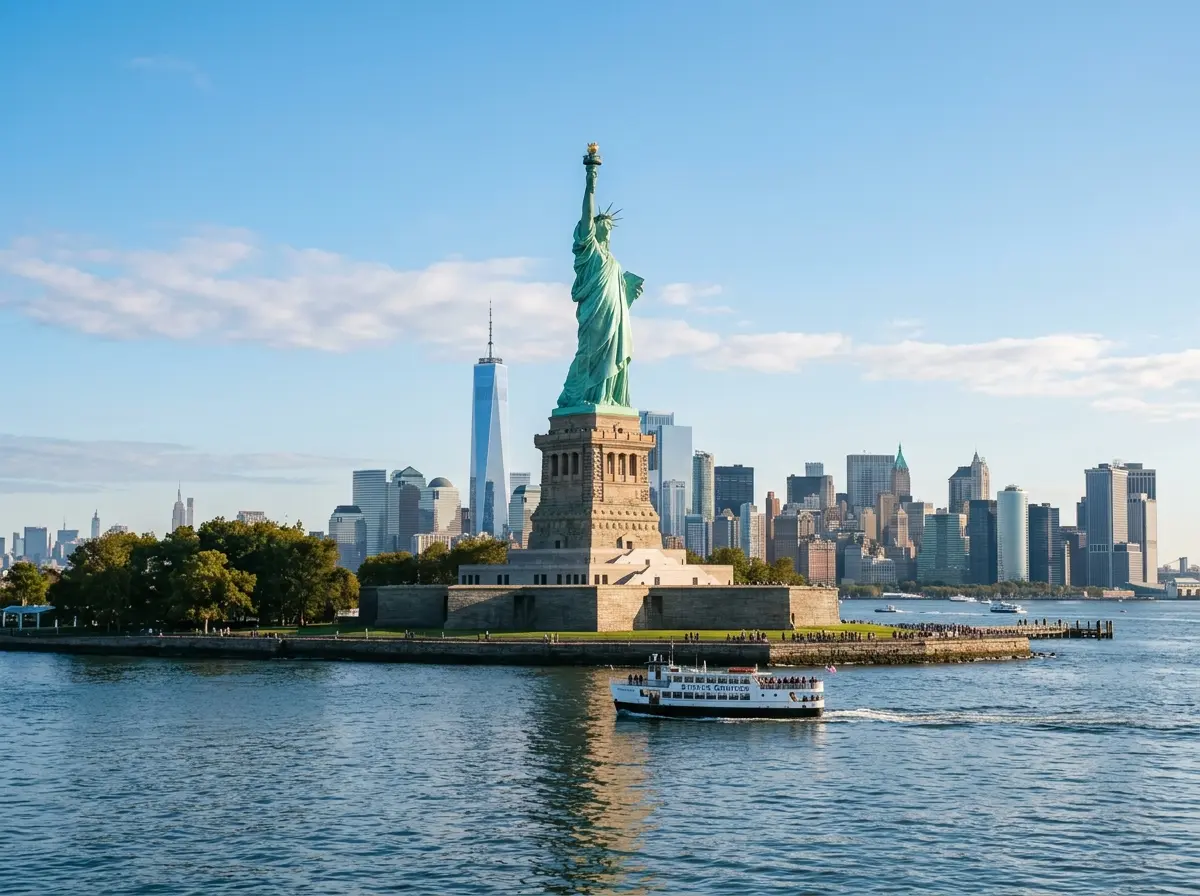
2. The Statue of Liberty (New York)
A gift of friendship from the people of France to the United States in 1886, the Statue of Liberty (Liberty Enlightening the World) is a global symbol of freedom and democracy. Designed by Frédéric-Auguste Bartholdi and engineered by Gustave Eiffel, the copper statue stands on Liberty Island in New York Harbor.
Travel Tip: Book tickets for the pedestal or crown access months in advance, and combine your trip with a visit to the nearby historic Ellis Island Immigration Museum.
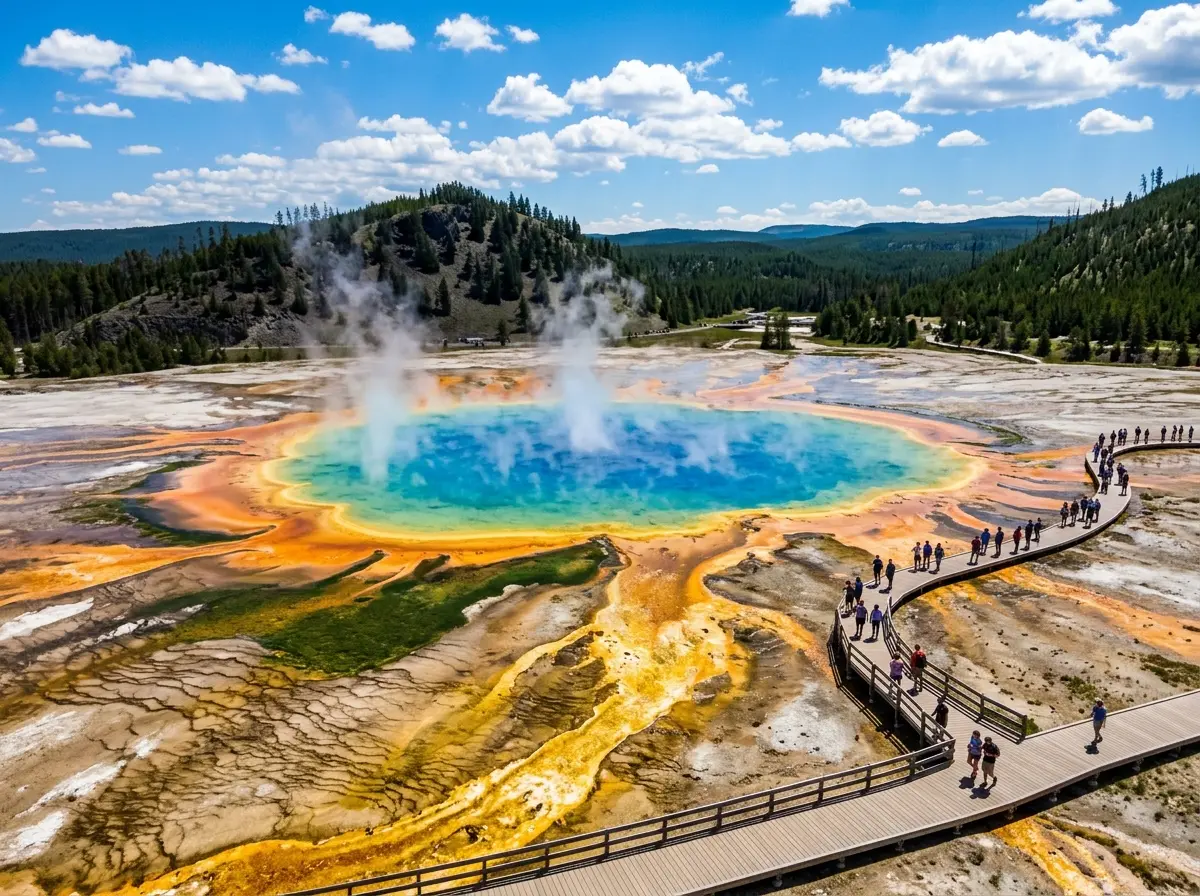
3. Yellowstone National Park (Wyoming/Montana/Idaho)
Established in 1872 as the world's first national park, Yellowstone sits atop a volcanic hot spot. The park is famous for its geothermal wonders, notably the Old Faithful geyser and the vibrant Grand Prismatic Spring, the largest hot spring in the United States. It is also home to free-roaming herds of bison, elk, and grizzly bears.
Travel Tip: Walk the wooden boardwalks around the Grand Prismatic Spring slowly to safely view the brilliant blue, orange, and gold colors produced by heat-loving bacteria.
USA Landmarks Hiking & Viewing Guide
-
🥾
Grand Canyon Trails
Bright Angel Trail: Difficult, up to 19 km, steep but maintained path.
Best viewing hour: 5:30 AM – 7:00 AM (cooler morning temperatures, dramatic shadows).
-
🗽
Liberty Viewpoints
Ellis Island Museum Loop: Walk inside the historic hall.
Best viewing hour: 8:30 AM (take the first morning ferry to bypass tourist crowds).
-
🌋
Yellowstone Walks
Grand Prismatic Basin Loop: Flat wooden boardwalk trails.
Best viewing hour: 7:00 AM – 10:00 AM (cooler hours lessen steam clouds blocking colors).
Iconic American Scenic Byways
To fully experience the grand scale of the United States, consider embarking on one of these legendary driving routes that connect national parks and historic landmarks.
Pacific Coast Highway
Running along the California coast, this route offers stunning views of cliffside bridges, crashing waves, and redwood groves.
Highlights: Bixby Creek Bridge, Big Sur, McWay Falls.
Historic Route 66
"The Mother Road" connects Chicago to Santa Monica. It offers neon signs, retro motels, and access to the Grand Canyon's South Rim.
Highlights: Seligman, Hackberry General Store, Arizona Desert.
Going-to-the-Sun Road
This engineering marvel cuts through Glacier National Park in Montana, offering views of glacial lakes, valleys, and mountain goats.
Highlights: Logan Pass, Weeping Wall, Lake McDonald.
Yellowstone & Grand Canyon Wildlife Safety
One of the greatest joys of exploring American national parks is encountering native wildlife in their natural habitat. However, safety must remain your top priority.
-
🦬
Bison
Keep at least 25 yards (23 meters) away. Bison can run three times faster than humans and are highly unpredictable.
-
🐻
Grizzly Bears
Keep at least 100 yards (91 meters) away. Hike in groups, make noise, and always carry active bear spray.
-
🦌
Elk & Deer
Keep at least 25 yards away. Be especially cautious during the autumn mating rut and spring calving seasons.
-
🦅
Condors
At the Grand Canyon, never feed or attempt to approach condors. Keep distances to avoid disrupting nesting sites.
🌲 Leave No Trace Eco-Tourism Ethic
We believe in protecting the spectacular natural wonders of the United States for future generations. When visiting Yellowstone or the Grand Canyon, always practice Leave No Trace principles: pack out all waste, stay strictly on designated hiking trails to prevent soil erosion, respect wildlife by keeping safe distances (100m from bears, 25m from bison), and leave all plants and rocks exactly as you find them.
Essential Travel Safety & Packing Checklist
National Park Permits
Discovery Pass for Canada Parks, America the Beautiful Pass for US Parks. Buy in advance to bypass long entry queues.
Bear Safety & Spray
Essential for backcountry hiking in Banff, Yellowstone, and Glacier. Keep bear spray in an easily accessible holster, not inside your pack.
Offline Navigation & Maps
Mobile signals are weak or non-existent in deep canyons (Grand Canyon) or valleys. Download offline maps and pack physical topography maps.
Variable Clothing Layers
Alpine mountain weather changes in minutes. Bring breathable thermal layers, windproof/rainproof jackets, and broken-in hiking boots.